
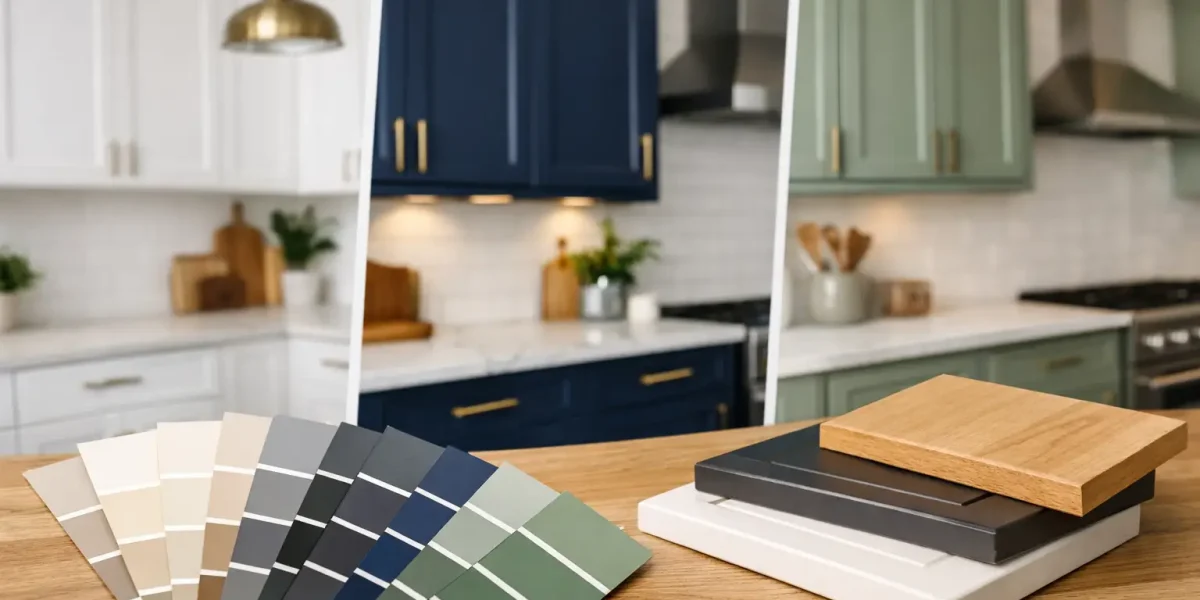
A cabinet color can make a kitchen feel current, clean, and move-in ready – or make buyers start mentally adding up repainting costs before they even reach the island. If you are choosing the best cabinet colors for resale, the goal is not to chase a trend. It is to pick a color that photographs well, works with your countertops and flooring, and appeals to the widest range of buyers.
In the Phoenix area, that decision matters even more. Natural light is strong, warm tones in stone and flooring are common, and many homes need finishes that feel fresh without looking cold or overly stark. Cabinet color has to do real work. It needs to soften the room, support the rest of the finishes, and help the home show better both online and in person.
What buyers respond to in cabinet color
Most buyers are not evaluating paint colors the way a designer or painter would. They are reacting to whether the room feels bright, updated, and easy to live with. Cabinets take up a large amount of visual space, so their color can either calm a kitchen down or make it feel busy fast.
That is why neutral and near-neutral shades continue to lead when homeowners ask about the best cabinet colors for resale. Buyers want something clean enough to feel new, but flexible enough to work with their own furniture, decor, and style. A cabinet color that is too personalized can shrink the buyer pool. A color that is too flat or sterile can do the same.
The sweet spot is usually a color with subtle depth. That might mean a warm white, a soft greige, or a muted green-gray. These shades feel intentional without demanding attention.
The best cabinet colors for resale
Warm white
If resale is the priority, warm white is usually the safest and strongest choice. It brightens the room, reflects light well, and helps older kitchens feel cleaner and more current. It also pairs easily with many common countertop materials, from speckled granite to quartz and butcher block.
The key word is warm. In Phoenix homes, a cold white can look harsh under strong sunlight and can fight against tan, beige, or cream flooring. A warm white has a softer base that keeps the kitchen inviting. It also tends to photograph better than yellowed off-whites from previous decades.
Soft greige
Greige works well when you want a neutral with a little more body than white. It sits between gray and beige, which makes it useful in homes that have mixed warm and cool finishes. If your kitchen has a stone backsplash, warm flooring, or counters with both cream and gray movement, greige can help tie everything together.
For resale, soft greige is often a smart compromise. It looks updated, but not trendy. It gives cabinets definition without making the room feel darker than it needs to.
Light taupe
Light taupe is another reliable option, especially in homes with earthy finishes. It reads warm, grounded, and flexible. Buyers often respond well to taupe because it feels polished but comfortable.
This color can be especially effective in kitchens where bright white would look too sharp. If the room has bronze hardware, warm tile, or desert-inspired tones, taupe often feels more natural than gray.
Mushroom or putty neutrals
These muted in-between shades have become more popular because they bring softness without looking plain. Mushroom, putty, and similar tones can make cabinets look custom and elevated while still staying resale-friendly.
They are not right for every kitchen. If the room lacks natural light, they may need to be kept fairly light to avoid a heavy appearance. But in a well-lit space, they can add quiet character that buyers remember.
Soft sage green
Green can be a resale color if it is handled carefully. A soft sage or dusty green-gray has enough neutrality to appeal broadly, especially in homes where buyers expect a more updated design palette. It can feel fresh, clean, and slightly upscale.
This is not the same as choosing a bold forest green or a highly saturated olive. For resale, the safer route is a muted sage with gray undertones. It gives the cabinets personality while still functioning like a neutral.
Deep charcoal or navy for islands only
If you want some contrast, darker colors usually perform best as an accent rather than on every cabinet. A charcoal or navy island can look sharp and current, especially when perimeter cabinets stay light. Buyers often like this look because it adds design interest without committing the whole kitchen to a dark scheme.
Using dark color on all cabinets is more of a case-by-case decision. In a large kitchen with strong lighting, it can work. In a smaller or shaded room, it can make the space feel tighter and less universally appealing.
Colors that can hurt resale
The issue is not that buyers dislike color. The issue is that highly specific colors make it harder for them to picture the home as their own. Bright blue, true yellow, red, glossy black, and trendy shades that are peaking right now can all narrow appeal.
Very cool grays can also be a problem. A few years ago, they were everywhere. Today, many buyers see them as dated or too cold, especially when paired with warmer fixed finishes that are not being replaced. Stark white can land in the same category if it feels clinical instead of welcoming.
Wood-tone cabinets are more nuanced. Natural wood is back in some styles, but orange or heavily red-toned wood often reads older unless the entire kitchen has been intentionally redesigned around it. If resale is the focus and the existing wood tone feels dated, refinishing is often the cleaner move.
Undertones matter more than the name on the paint chip
Two whites can look almost identical in the store and completely different once they are sprayed on cabinets. That comes down to undertones, and undertones matter as much as the main color family.
A white with a yellow base may look creamy and inviting in one kitchen, then look dingy next to a cooler quartz countertop. A greige with a green undertone might work beautifully with warm stone, then feel muddy beside pink-beige tile. This is why cabinet color should always be tested against the room’s permanent finishes.
Countertops, backsplash, flooring, wall color, and lighting all influence the final result. In our market, intense natural light can also shift how colors appear throughout the day. What looks soft at noon may read brighter or warmer in the evening. A professional sample process helps catch that before the full job is underway.
Finish and prep affect resale too
Buyers notice more than color. They notice whether the cabinets look smooth, clean, and professionally finished. Even the best cabinet colors for resale can lose their value if the finish shows brush marks, chips early, or feels rough to the touch.
That is why prep matters. Proper cleaning, sanding, priming, and product selection all affect how the cabinets wear and how polished they look. On resale-focused projects, durability is part of presentation. A cabinet finish should look crisp during listing photos, open houses, and inspections, not tired after a few weeks of use.
Sheen also plays a role. Most homeowners get the best balance with a low-luster or satin cabinet finish. It offers some cleanability and light reflection without highlighting every surface flaw the way a higher gloss can.
How to choose the right resale color for your kitchen
Start with what is staying. If the countertops, backsplash, and flooring are not changing, the cabinet color has to work with them. That sounds obvious, but many disappointing results happen when cabinets are selected in isolation.
Next, think about the price point and style of the home. A luxury home in Scottsdale may support a more custom-looking neutral or a two-tone layout more easily than an entry-level home where buyers are mainly looking for clean and simple. The right answer is not always the most fashionable one. It is the one that matches the home and broadens appeal.
Then consider light. North-facing kitchens, shaded interiors, and smaller layouts often benefit from warmer and lighter cabinet colors. Open kitchens with strong natural light can usually handle more contrast and depth.
This is where working with an experienced cabinet refinishing team can save time and prevent expensive second-guessing. A good recommendation should account for your fixed finishes, the way the kitchen is used, and how the space needs to present if a sale is on the horizon. For homeowners across Phoenix and Maricopa County, that practical guidance often matters as much as the paint itself.
If your goal is resale, think less about making a statement and more about making the next buyer feel at home the moment they walk in. The right cabinet color does exactly that – quietly, clearly, and without asking for attention.