
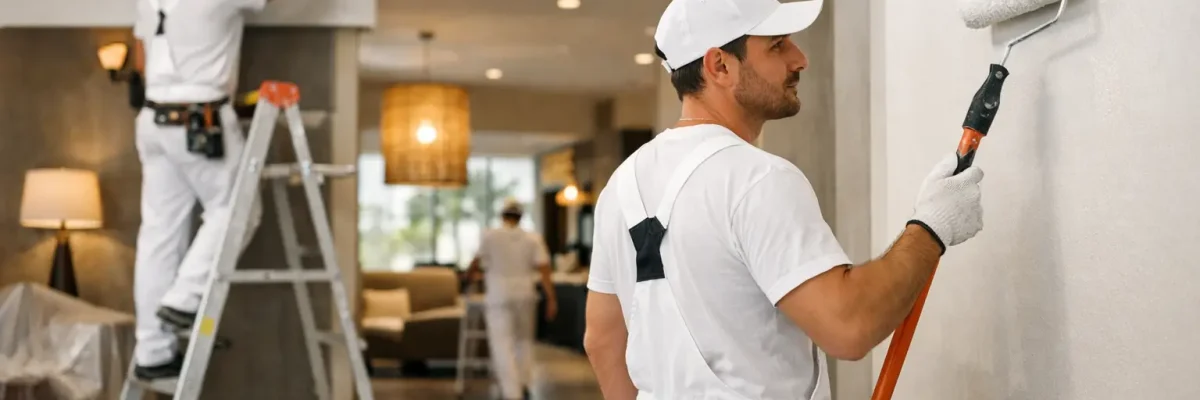
A hotel repaint is never just a color change. For owners, operators, and property managers, hiring hotel painting contractors Phoenix businesses can count on often comes down to one question: can this team deliver a polished result without disrupting guests, staff, or revenue more than necessary?
That is the real standard in hospitality painting. A hotel has to keep looking clean, current, and well cared for, but it also has to stay functional while the work is happening. In Phoenix, there is another layer to consider. Intense sun, heat, dust, and heavy foot traffic can wear down finishes faster than many people expect, especially on exteriors, corridors, lobby walls, and high-touch trim.
What hotel painting contractors in Phoenix need to handle well
Hotel painting is different from painting an office, retail suite, or apartment building. The visual expectations are higher, the schedule is tighter, and the consequences of poor planning show up fast in guest reviews.
A qualified hotel painting contractor needs to understand occupied environments. That means controlling noise, keeping work areas clean, protecting floors and furnishings, coordinating around housekeeping and front desk operations, and maintaining a clear daily plan. A beautiful finish matters, but so does how the job is managed from start to finish.
In Phoenix, product selection also matters more than it might in milder climates. Exterior coatings have to stand up to UV exposure and heat. Interior paints need to be durable, washable, and appropriate for spaces that see luggage impact, cleaning chemicals, and constant use. Choosing the wrong product can save money upfront and cost more in early repaint cycles.
Where hospitality properties feel wear the fastest
Not every part of a hotel ages at the same pace. Some areas need a different painting schedule, a different prep standard, or a more durable finish than others.
Guest rooms and corridors
Guest rooms need consistency. Even minor patching, uneven sheen, or color variation can make a room feel neglected. Corridors are even tougher because they take repeated abuse from carts, bags, housekeeping equipment, and daily traffic. In these spaces, surface prep and the right finish are often more important than the paint brand alone.
Lobbies, common areas, and meeting spaces
These are the first-impression areas. Guests notice scuffed trim, faded walls, chipped doors, and worn accent features right away. In meeting and event spaces, appearance affects more than comfort. It can influence whether clients book again.
Exterior surfaces
Phoenix weather is hard on hotel exteriors. Stucco, siding, entry canopies, railings, and doors all take direct sun and temperature swings. Fading, chalking, and cracking are common if coatings are not selected and applied correctly. Exterior work also has to be timed around weather, guest traffic, and building access.
Doors, trim, and high-touch surfaces
These details carry a lot of visual weight. A hallway can look freshly updated or tired based on the condition of doors and trim alone. Because these surfaces are touched constantly, they need coatings that cure properly and hold up to repeated cleaning.
Why planning matters as much as painting
The biggest difference between an average contractor and a strong hospitality painting partner is usually planning. Hotels operate on tight schedules, and painting work has to fit around occupancy, events, maintenance, and staffing.
A smart project plan starts with a clear site review. The contractor should identify which areas can be completed during normal hours, which need off-hour scheduling, and where phased work makes the most sense. For example, painting a bank of guest rooms floor by floor is often easier to manage than opening up too many sections at once. For public areas, night work or early morning shifts may be the better option.
There is always a trade-off. Faster timelines can require larger crews or after-hours labor, which may increase project cost. A lower-cost approach may extend the project and create more operational coordination. Neither option is automatically right or wrong. The best choice depends on occupancy levels, revenue pressure, and how much disruption the property can realistically absorb.
What to ask hotel painting contractors Phoenix property managers are considering
When evaluating hotel painting contractors Phoenix property managers should look beyond price and ask practical questions about execution.
How will occupied areas be protected? What is the plan for dust control, masking, cleanup, and daily reset? Who is responsible for communication with on-site management? How will punch items be tracked and resolved? What products are being specified for guest rooms, corridors, exterior walls, and trim, and why are those products a fit for a Phoenix hospitality property?
It also helps to ask about staffing consistency. A stable, professional crew tends to produce more predictable results than a constantly rotating team. In hospitality work, consistency matters because the project often unfolds in phases over several days or weeks, and each area needs to match the next.
Prep work is where long-term value is built
A hotel can look freshly painted on day one and still be a poor-value project if the prep was rushed. In commercial painting, shortcuts often hide under the finish coat. They show up later as peeling near entry doors, flashing on patched drywall, visible stains bleeding through, or trim that chips too easily.
Good prep usually includes cleaning surfaces, repairing drywall and stucco defects, sanding rough areas, caulking joints where needed, priming problem spots, and protecting adjacent finishes. On exterior projects, pressure washing and proper surface evaluation are especially important in the Phoenix area because dust, chalking, and sun damage can interfere with adhesion.
For hotel owners, this matters because repaint cycles affect budgets. Spending a little more for thorough prep and appropriate coatings can reduce how often key areas need to be redone. Over time, that is often the more economical path.
Color decisions should support the brand and the building
Color selection is not only a design choice. In hotels, it influences maintenance, guest perception, and how well the property photographs online.
Lighter colors can keep spaces feeling open and clean, but they may show marks faster in heavy-traffic areas. Darker or richer tones can add warmth and sophistication, but they tend to show touch-ups more easily if the sheen is not matched. Exterior colors need to work with the architecture, local climate, and HOA or brand requirements if those apply.
This is another area where local experience helps. A contractor familiar with Phoenix properties can often flag practical concerns before paint is ordered, such as whether a certain exterior tone may fade faster in full sun or whether a corridor finish will be difficult to maintain under frequent cleaning.
Why communication matters during the project
Hotels do not have much room for guesswork. If a section will be inaccessible, if odors need to be managed, or if a schedule shift is required, property teams need to know early. Clear communication keeps operations running and helps avoid friction between management, staff, and contractors.
That includes communication before the project starts, not just during the work. The estimate should be detailed. The scope should be clear. Expectations for prep, protection, sequencing, and final walkthrough should be spelled out. If anything changes once the job begins, it should be addressed directly and quickly.
This is one reason many hospitality clients prefer working with experienced local contractors instead of chasing the lowest bid. Reliability is not a line item, but it affects the entire project.
Choosing a contractor for results, not just completion
A completed paint job is not always a successful one. In hotels, success means the finish looks sharp, the property stays presentable throughout the project, and the work holds up after guests and staff return to normal use.
That takes craftsmanship, but it also takes accountability. The right contractor should care about walkthroughs, touch-ups, and whether the final result matches the agreed scope. Family-owned local companies often stand out here because reputation is tied directly to the work they leave behind in the community. Right Choice Painting, LLC approaches hospitality projects with that mindset, focusing on dependable scheduling, detailed prep, and a finish that reflects well on the property.
If you are comparing hotel painting contractors in Phoenix, look for a team that understands hospitality from an operations standpoint, not just a painting standpoint. The right partner helps protect your guest experience while improving the look and longevity of the property. That is where a repaint starts to feel less like a disruption and more like a smart investment.