
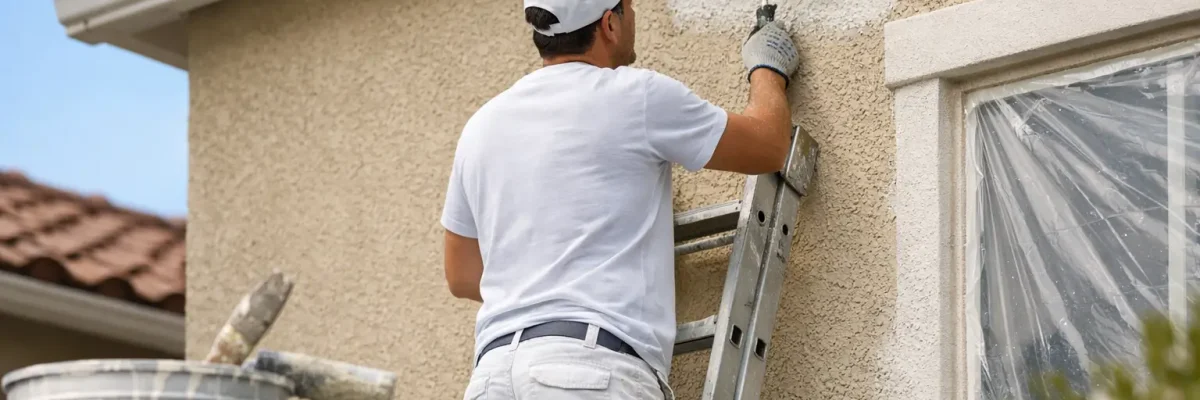
A stucco exterior can look clean and durable for years, then suddenly show hairline cracks, chalky color, faded patches, and stains around windows or rooflines. In the Phoenix area, intense sun, monsoon moisture, dust, and major temperature swings make surface preparation just as important as the paint itself. Knowing how to paint stucco exteriors means understanding what the wall is telling you before a brush or sprayer ever comes out.
A quality stucco paint job is not simply a color change. It is a protective coating system designed to move with the surface, resist UV exposure, and preserve the texture that gives a home or commercial property its character.
Start by Inspecting the Stucco
Walk the exterior in full daylight and look beyond the obvious fading. Check for cracks, loose or crumbling stucco, dark staining, bubbling paint, white powdery deposits, and areas where old paint is peeling. These conditions affect which repairs and coatings the wall needs.
Hairline cracks are common in stucco and may be cosmetic, especially on older homes. Wider cracks, recurring cracks, or cracks that extend from windows, doors, and corners can point to movement or water intrusion. Those should be evaluated and repaired correctly before painting. Paint can improve appearance, but it cannot solve an active moisture problem or a structural issue.
Also check the bottom of exterior walls, planter edges, hose bibs, roof transitions, and window sills. In Arizona, irrigation overspray and monsoon runoff can leave mineral staining or cause moisture damage near the base of a wall. If the stucco feels damp or stays discolored after dry weather, identify the source before coating it.
Choose the Right Time for Exterior Painting
Paint needs the proper temperature range and dry conditions to cure as intended. Phoenix homeowners often assume summer is ideal because rain is limited, but extreme heat can create its own problems. When surfaces are in direct sun, stucco can become far hotter than the air temperature. Paint may dry too quickly, leading to poor flow, lap marks, or reduced adhesion.
Morning work, shaded elevations, and careful scheduling are often the difference between a smooth finish and a rushed one. Avoid painting when rain is expected, when wind is carrying heavy dust, or when the stucco is still holding moisture from washing or storms. The product label provides temperature and cure guidelines, but conditions at the wall matter most.
For larger homes and commercial properties, painting one elevation at a time helps maintain a wet edge and keeps the crew working within manageable conditions. This is especially useful on heavily textured stucco, which absorbs more material and takes longer to coat evenly.
Clean the Surface Without Damaging It
Stucco holds dust, cobwebs, loose paint, and airborne grime in every ridge and pocket of its texture. Painting over that buildup can shorten the life of the coating, even when premium paint is used.
Begin by removing loose debris with a soft brush or broom. Wash the walls with appropriate cleaning solution and water, paying close attention to eaves, lower walls, and areas near landscaping. Pressure washing can be effective, but it must be done carefully. Excessive pressure can scar the finish, force water into cracks, or loosen weak stucco.
Mildew or algae is less common in the desert than in humid climates, but shaded walls, north-facing areas, and irrigation-prone surfaces can still develop growth. Treat it thoroughly rather than covering it with paint. Once the exterior is clean, allow ample drying time. Stucco is porous, and a wall that appears dry at the surface may still hold moisture below it.
Repair Cracks and Failed Areas Before Priming
A good paint job makes uneven preparation more noticeable, not less. Scrape away peeling paint until you reach a sound edge. Sand or feather those edges so they do not show through the new finish. Loose or damaged stucco should be patched with a compatible repair material and allowed to cure according to the manufacturer’s guidance.
For small non-structural cracks, a high-quality exterior elastomeric patching compound or flexible masonry caulk may be appropriate. The right choice depends on the crack size, location, and existing surface. Do not fill every joint with caulk. Some transitions and control joints are designed to move and need the correct joint treatment, while other areas should be repaired with stucco patch material to retain texture and durability.
Matching texture is one of the most challenging parts of stucco repair. A smooth patch on a rough dash finish, or a heavy patch on a fine sand finish, will stand out after painting. On prominent walls, it is worth taking the time to blend the repair before the coating stage.
How to Paint Stucco Exteriors With the Right Coating
The best exterior paint for stucco depends on the condition of the wall, the existing coating, the amount of cracking, and the property’s exposure. High-quality acrylic exterior paint is a dependable option for many properly prepared stucco surfaces. It offers strong color retention, breathability, and flexibility for normal surface movement.
Elastomeric coatings are thicker and can bridge very fine cracks while creating a more substantial weather barrier. They can be an excellent choice for certain stucco exteriors, particularly walls with widespread hairline cracking. However, they are not automatically the best answer for every property. Because they build more film thickness, application must be consistent, and trapped moisture or poorly prepared surfaces can create problems beneath the coating.
Primer is not always required over sound, previously painted stucco, but it is valuable on bare patches, repaired areas, chalky surfaces after proper cleaning, and major color changes. A masonry-compatible primer helps even out absorption and gives the topcoat a more uniform appearance. Spot priming may be enough for small repairs, while widespread bare or porous surfaces often benefit from a full prime coat.
Color selection matters in the Arizona sun. Darker colors can make a wall much hotter, especially on broad west- and south-facing elevations. They may still be appropriate for trim or accent areas, but homeowners should understand the trade-off. Lighter and mid-tone colors generally reflect more heat and can help preserve a more consistent appearance over time.
Apply Enough Paint for Complete Coverage
Stucco’s texture requires more paint than smooth siding. A roller with a thick nap can work well for smaller areas, while airless spraying is efficient on larger walls. Professional crews often spray the coating into the texture and back-roll it immediately. Back-rolling works paint into low spots, improves uniformity, and reduces the chance of thin areas hidden in the texture.
Two properly applied coats are usually the standard for a durable exterior finish, particularly when changing colors or working over faded surfaces. Do not stretch material too far in an effort to make one coat cover. Thin paint may look acceptable initially but can weather unevenly and leave the stucco less protected.
Maintain clean cut lines at fascia boards, windows, doors, lighting, and landscaping. Cover hardscape, plants, and fixtures before work begins. Professional preparation and cleanup protect the rest of the property just as much as the fresh paint protects the walls.
Watch for Common Stucco Painting Mistakes
The most expensive mistake is painting over an unresolved water issue. If stains keep returning, paint is bubbling, or the surface is soft and deteriorating, find the source first. It may be a roof leak, failed flashing, irrigation pattern, gutter issue, or window seal.
Another common problem is choosing a coating based only on price or color. Exterior coatings are engineered for specific surfaces and conditions. Using an interior product outside, applying the wrong primer, or selecting a low-grade paint for a high-exposure wall often leads to early fading and repainting.
Finally, do not underestimate prep time. Cleaning, crack repair, masking, priming, and drying can take longer than the painting itself. That investment is what allows the finished color to look even and perform well through repeated desert summers.
When Professional Stucco Painting Makes Sense
A do-it-yourself project may be manageable for a small, accessible wall in sound condition. Larger homes, multi-story exteriors, extensive cracking, failing paint, difficult textures, and commercial buildings call for more planning. Proper equipment, coating knowledge, safe access, and a detailed inspection help prevent costly rework.
Right Choice Painting brings more than two decades of local painting experience to Phoenix-area stucco projects, with careful preparation, product guidance, and final quality checks built into the process. Whether the goal is a fresh curb appeal update or a complete exterior restoration, the right approach begins with a close look at the surface – not a quick coat of paint.
Give your stucco the attention it deserves before the next stretch of summer heat. A properly repaired, cleaned, and coated exterior will look sharper now and stand up better to the conditions that make Arizona properties unique.