
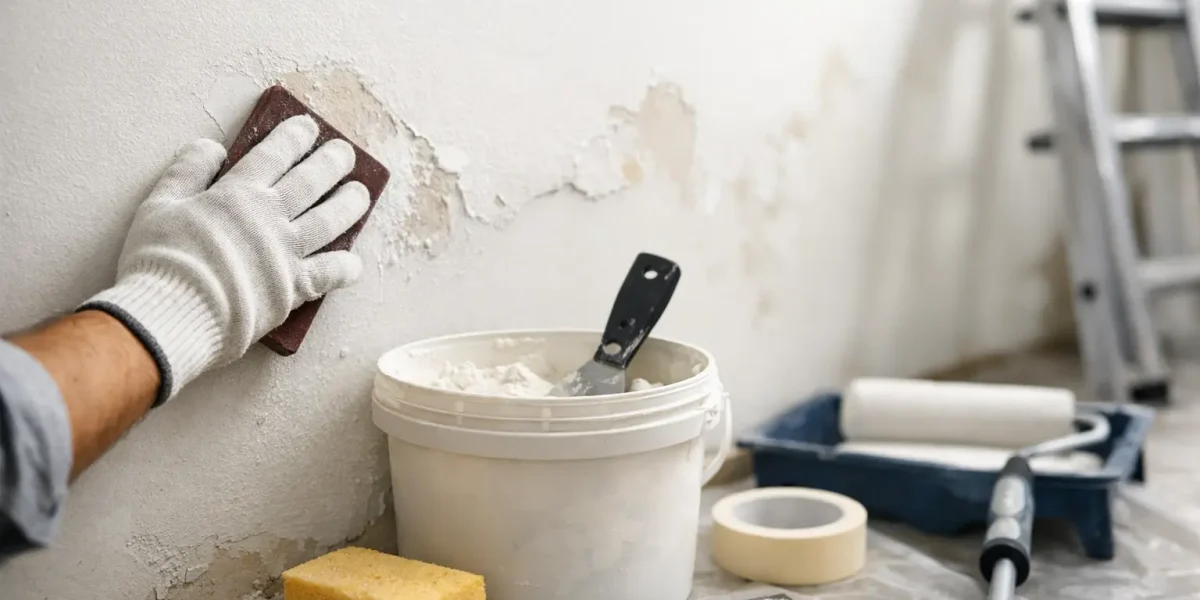
A fresh coat of paint can transform a room quickly, but the finish only looks as good as the surface underneath it. If you want to know how to prepare walls before painting, the real answer starts long before the first roller touches the wall. Good prep is what keeps paint from peeling early, flashing over patches, or highlighting every dent and seam in the room.
In homes and commercial spaces across the Phoenix area, wall conditions vary more than many people expect. Dry air, settling, previous patch jobs, smoke residue, grease near kitchens, and years of touch-up paint can all affect how new paint bonds and how smooth it looks once it dries. That is why prep is not a small step in the process. It is the foundation of the result.
Why wall prep matters more than most people think
Painting over a dirty, glossy, cracked, or uneven wall usually creates two problems at once. First, the finish looks worse. Second, it does not last as long. Even premium paint has limits if the surface below it is unstable or contaminated.
This is where many projects go off track. A wall may look “good enough” from a few feet away, but once fresh paint goes on, flaws tend to stand out more, not less. Patches can flash through, old nail holes become visible, and peeling areas can continue to fail under the new coating. Proper preparation gives you uniform absorption, better adhesion, and a more consistent final color.
How to prepare walls before painting the right way
The right prep process depends on the wall material, the condition of the existing paint, and the room itself. A bedroom wall with minor scuffs needs a different approach than a high-traffic hallway, a kitchen with grease buildup, or a commercial interior with repeated repainting. Still, the core process stays fairly consistent.
Start with a full wall inspection
Before cleaning or patching anything, take a close look at the entire surface in good lighting. Walk the room slowly and check for nail pops, dents, hairline cracks, peeling paint, water stains, tape residue, and uneven texture. Run your hand across the wall if needed. You can often feel raised repairs or rough spots that are harder to see.
This step matters because prep should be targeted, not rushed. If one section has moisture damage or bubbling paint, you do not want to cover it and hope for the best. That usually leads to callbacks, especially in bathrooms, laundry rooms, or properties with past leak issues.
Clean the walls before any repair work
Paint does not bond well to dust, grease, smoke film, or hand oils. Walls should be cleaned before patching and sanding so you are working on a sound surface. In many living areas, a light wash with mild soap and water is enough. In kitchens, break rooms, or around switches and door frames, heavier grime may require a stronger degreasing cleaner.
The key is to remove residue without soaking the drywall. Use a damp sponge or cloth, work in sections, and allow the walls to dry fully. In Phoenix, dry conditions can speed that up, but do not assume the wall is ready just because it feels dry on the surface. If moisture is trapped in a repair area, it can affect filler and primer performance.
Remove loose material and failed paint
Any peeling, blistering, or flaking paint needs to come off before repainting. Scraping these areas is not optional. If the old coating is already losing adhesion, putting new paint on top only adds weight to a failing layer.
This is also the time to cut away loose drywall tape, remove popped fasteners if needed, and address crumbling patch material from earlier repairs. The goal is to get back to a stable surface. Sometimes that means a small localized repair. Sometimes it reveals a bigger issue that needs more than cosmetic work.
Patch holes, dents, and cracks carefully
Once the wall is clean and stable, surface repairs can begin. Small nail holes and shallow dings are usually simple patching jobs. Larger holes, stress cracks, or damaged corners may need mesh, compound layering, or more detailed drywall repair.
The biggest mistake here is rushing the patch. If compound is applied too heavily, not allowed to dry fully, or not feathered out properly, the repair can show through the finish coat. Flat paint hides more than satin or semi-gloss, but no sheen completely forgives a bad patch. On quality painting projects, repair work should disappear into the wall, not announce itself.
Sand for a smooth, even surface
After repairs are dry, sanding evens out patched areas, levels rough paint edges, and creates a better surface for primer and paint. This part often gets underestimated. Even a small ridge around a patch can become obvious after repainting, especially in rooms with strong natural light.
A light sanding is usually enough for intact painted walls, but glossy surfaces may need more attention. If the previous coating has a noticeable sheen, scuff sanding helps the next layer bond better. Dust control matters too. After sanding, walls should be wiped down or vacuumed so fine particles do not interfere with the finish.
When primer is necessary and when it is not
Not every wall needs a full primer coat, but many do. If you repaired multiple areas, changed from a dark color to a light one, covered stains, or worked over a porous patch surface, primer is the safer choice. It helps create a uniform base so the final coats dry evenly and hold their color.
Spot priming can work for minor repairs, but there are situations where whole-wall priming gives a cleaner result. That is especially true when old paint has uneven porosity or the wall has been touched up many times over the years. In those cases, skipping primer may save a little time upfront but cost you in appearance later.
For stain-prone areas, standard primer may not be enough. Water marks, smoke staining, and some tannin issues need the right stain-blocking product. This is one of those it-depends decisions where product selection makes a real difference.
Special prep considerations by room and property type
Interior painting is not one-size-fits-all. The prep work should match how the space is used.
In kitchens, grease is the biggest issue. Even if the walls do not look dirty, cooking residue can interfere with adhesion. Bathrooms need attention to soap film, humidity damage, and mildew-prone areas. Hallways, stairwells, and commercial common areas usually have scuffs, impact marks, and repeated touch-up buildup that need more correction before repainting.
For property managers and business owners, timing also matters. In occupied spaces, prep has to be organized and controlled. Dust containment, scheduling around residents or staff, and keeping the site clean are part of professional preparation, not extras.
Common mistakes people make when preparing walls
Most wall prep problems come from moving too fast. Painting before the wall is fully clean, dry, repaired, and sanded can lead to visible flaws and early wear. Another common issue is assuming paint will hide defects. It rarely does. In many cases, fresh paint makes defects easier to see because the new finish creates a more uniform reflective surface.
Using the wrong patch material is another problem. Lightweight filler may be fine for a pinhole but not for a deeper repair. Skipping primer over joint compound can also create dull spots, often called flashing, where the finish absorbs differently over the repair than the surrounding wall.
There is also a trade-off between speed and finish level. If you are repainting a rental turn or utility room, prep standards may be more basic. If you are updating a main living area, office lobby, or high-visibility commercial space, more detailed prep usually pays off.
Knowing when professional prep is worth it
Homeowners often focus on the paint color, but professionals focus on the substrate first. That is because prep is where a lot of the labor and technical judgment happens. Identifying failed coatings, choosing the right repair method, deciding where primer is needed, and creating a uniform finish all take experience.
For larger homes, older drywall, textured surfaces, or commercial properties with timeline pressures, professional preparation can save time and prevent frustrating rework. A dependable contractor will not just paint what is there. They will evaluate the walls honestly, explain what the surface needs, and build the project around lasting results. That approach has helped companies like Right Choice Painting earn trust with homeowners and businesses that want the job done right the first time.
If you are planning to repaint, slow down at the prep stage. The hours spent cleaning, repairing, sanding, and priming are what make the final coat look sharp weeks and years later.