
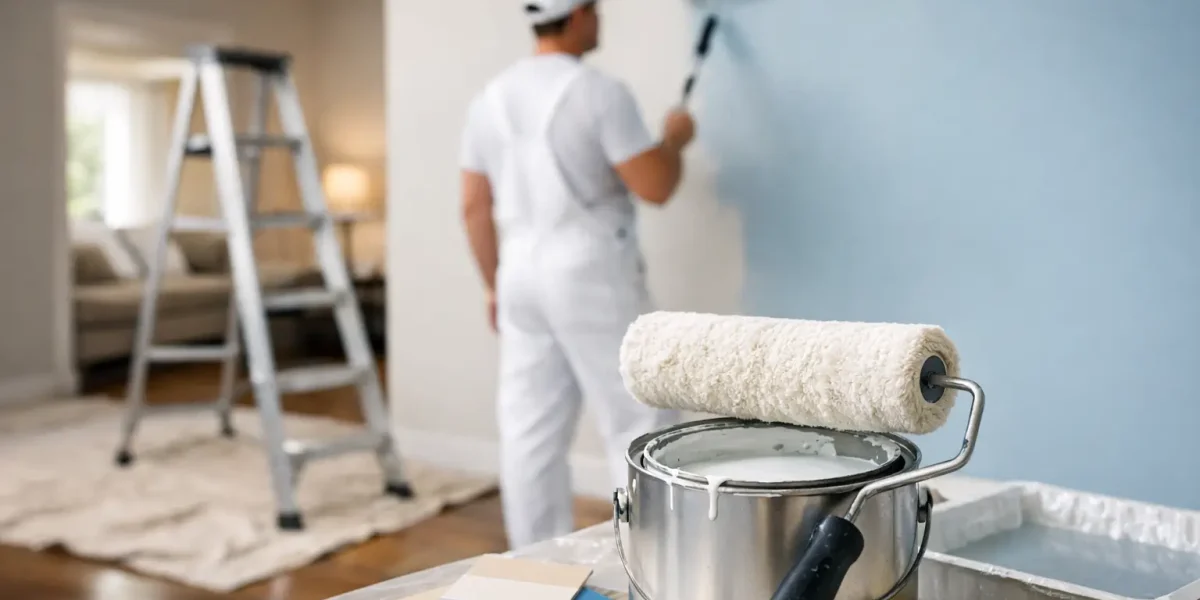
Fresh paint changes a room faster than almost any other upgrade, but interior house painting is rarely just about color. In Phoenix-area homes, paint has to hold up to strong sunlight, dust, busy households, and the wear that shows up in hallways, kitchens, and family rooms long before anyone wants to repaint again. A good result comes from smart product choices, careful prep, and workmanship that looks clean on day one and still looks right months later.
That is where many projects separate into two very different paths. One path looks fine at first but starts showing lap marks, scuffed walls, peeling around trim, or uneven sheen after normal use. The other holds its finish, cleans up well, and gives the entire home a more polished feel. The difference usually is not one dramatic decision. It is a series of correct decisions made before the first coat ever goes on.
What interior house painting really includes
Homeowners often think of painting as the moment rollers come out and color hits the wall. In practice, the visible painting is only one part of the project. Interior house painting often includes patching dents and nail holes, sanding rough areas, caulking gaps, protecting floors and furniture, priming repaired surfaces, and making sure trim, doors, ceilings, and walls all receive the right finish for their use.
That matters because different surfaces behave differently. Drywall can absorb paint unevenly if repairs are not sealed properly. Baseboards and doors show brush marks more easily than walls. Bathrooms and kitchens may need coatings that handle moisture and frequent cleaning better than standard wall paint in a formal living room. When every surface is treated the same, the final result usually tells on itself.
Why prep work matters more than most people expect
If a painted room looks sharp, most people notice the color first. Professionals notice the prep. Straight cut lines, smooth wall surfaces, and a consistent finish almost always trace back to careful preparation.
Minor wall damage is a good example. Nail pops, old picture hanger holes, small cracks above door frames, and texture inconsistencies may seem insignificant before painting. Once a fresh coat goes on, those flaws can stand out even more, especially when afternoon light hits the wall at an angle. The same goes for dust and residue. Paint does not bond well over dirty surfaces, and homes in the Phoenix metro area can collect more fine dust than many owners realize.
There is also a timing issue. Proper prep takes time, and rushed schedules tend to cut corners in the least visible phase of the project. That can lead to flashing on patched spots, rough trim, or paint failure in higher-use areas. A dependable contractor builds prep into the process instead of treating it like an optional extra.
Choosing the right sheen for each room
Color gets the attention, but sheen affects both appearance and maintenance. Flat and matte finishes help hide small surface imperfections, which can make them attractive for bedrooms, ceilings, and lower-traffic areas. The trade-off is durability. These finishes may mark more easily and can be tougher to clean without leaving visible rub spots.
Eggshell and satin tend to be the sweet spot for many interior walls because they balance softness with washability. In homes with kids, pets, or frequent guests, that extra durability can make a real difference over time. Semi-gloss is common on trim, doors, and cabinets because it stands up well to handling and cleaning, but it also highlights imperfections more readily. If the underlying surface is not smooth, a shinier paint will not hide it.
That is why there is no single best sheen for every project. The right choice depends on room use, lighting, wall condition, and how much maintenance the homeowner wants to deal with later.
Color selection is about more than trends
A paint color chip under store lighting can be misleading. Inside the home, the same color may read warmer, cooler, brighter, or flatter depending on window placement, ceiling height, flooring, and nearby finishes. In Arizona, natural light can be intense, and that brightness changes how neutrals and whites appear throughout the day.
That is one reason sample testing matters. A color that looks perfect in a small swatch can feel too stark on a large wall or too beige next to stone, wood, or tile. Open-concept layouts add another layer because colors need to transition well from one space to another without making the home feel chopped up.
A good interior palette usually works with the fixed elements already in place. Countertops, cabinets, flooring, and furniture all influence what feels balanced. Trend-driven colors can be appealing, but the better question is whether they support the home itself and still feel right after the novelty wears off.
Interior house painting in occupied homes
Most people are not painting an empty house. They are painting while living in it, managing family schedules, working from home, or trying to keep a business operating with minimal disruption. That changes the job.
A professional approach should account for logistics as much as application. Rooms need to be protected properly. Daily cleanup should be part of the plan, not an afterthought. Communication matters because homeowners want to know what areas will be worked on, how long spaces will be unavailable, and when they can move furniture back into place.
This is especially important for larger homes, rental turnovers, and commercial interiors where scheduling affects other people. Reliable painting crews do more than produce a good finish. They keep the process organized, predictable, and respectful of the property.
Where professional results show up most clearly
Some parts of a paint job are easy to judge immediately. Others reveal their value over time. Clean lines at ceilings and trim are one sign of quality. Smooth, even coverage without roller marks or patch flashing is another. On doors and trim, a polished finish should look intentional rather than heavy, sticky, or overworked.
Durability is the longer test. High-contact areas like stair rails, door casings, mudrooms, kitchens, and hallways expose weak prep and low-grade materials quickly. If paint starts chipping near handles, scuffing too easily, or losing its finish after routine cleaning, the project was likely compromised somewhere in product choice, surface prep, or application method.
That is why quality inspections matter. A final walkthrough should catch missed spots, light coverage, paint on hardware, rough touch-up areas, and any detail that does not meet the agreed standard. Good contractors do not wait for the customer to find those issues later.
When repainting is worth it and when a partial update makes sense
Not every interior project requires the whole house to be painted at once. Sometimes the best move is to focus on the spaces that make the biggest impact first, such as main living areas, kitchens, entryways, or a primary suite. This can be a smart option for homeowners who want visible improvement while pacing the investment.
In other cases, partial painting can create mismatches if adjoining spaces are faded, damaged, or carrying dated colors. Touching up one room next to another older one often makes the older finish look more tired. The right scope depends on the current condition of the home, how long the owner plans to stay, and whether the goal is maintenance, resale appeal, or a broader refresh.
That practical, room-by-room judgment is part of what experienced painters bring to the table. Sometimes the honest answer is less work than the client expected. Sometimes it is more. Either way, the recommendation should fit the property, not force a generic package.
Why local experience matters in Phoenix homes
Homes across Phoenix, Scottsdale, Peoria, Glendale, Anthem, and nearby communities vary in age, layout, and finish materials, but local conditions create common challenges. Strong sun exposure affects how interior colors read. Dust influences prep and cleanup standards. Busy family homes, seasonal residents, and investment properties all bring different expectations for timing and durability.
A contractor with local experience understands those conditions and plans around them. That includes recommending coatings that match the room, setting realistic schedules, and managing the details that protect the home during the job. Right Choice Painting, LLC has built its reputation around that kind of dependable process, with careful prep, clear communication, and a final product that reflects pride in workmanship.
Interior painting should make a home feel cleaner, brighter, and better cared for, not leave you sorting through callbacks and touch-ups. When the work is done with the right prep, the right products, and the right level of care, the difference shows every time you walk into the room.